Cozy Up: The Ultimate Guide to Gas Fireplace Installation
Gas-powered fireplaces deliver a blend of comfort and efficiency, turning everyday living areas into cozy havens. This resource details the essential steps for selecting and installing a gas fireplace, ensuring both safety and functionality. From recognizing the core advantages to getting ready for setup, each aspect is critical. As homeowners consider these elements, they often seek clarity on the distinct benefits and styling options on offer. Achieving a warmer and more comfortable home starts with well-informed choices.
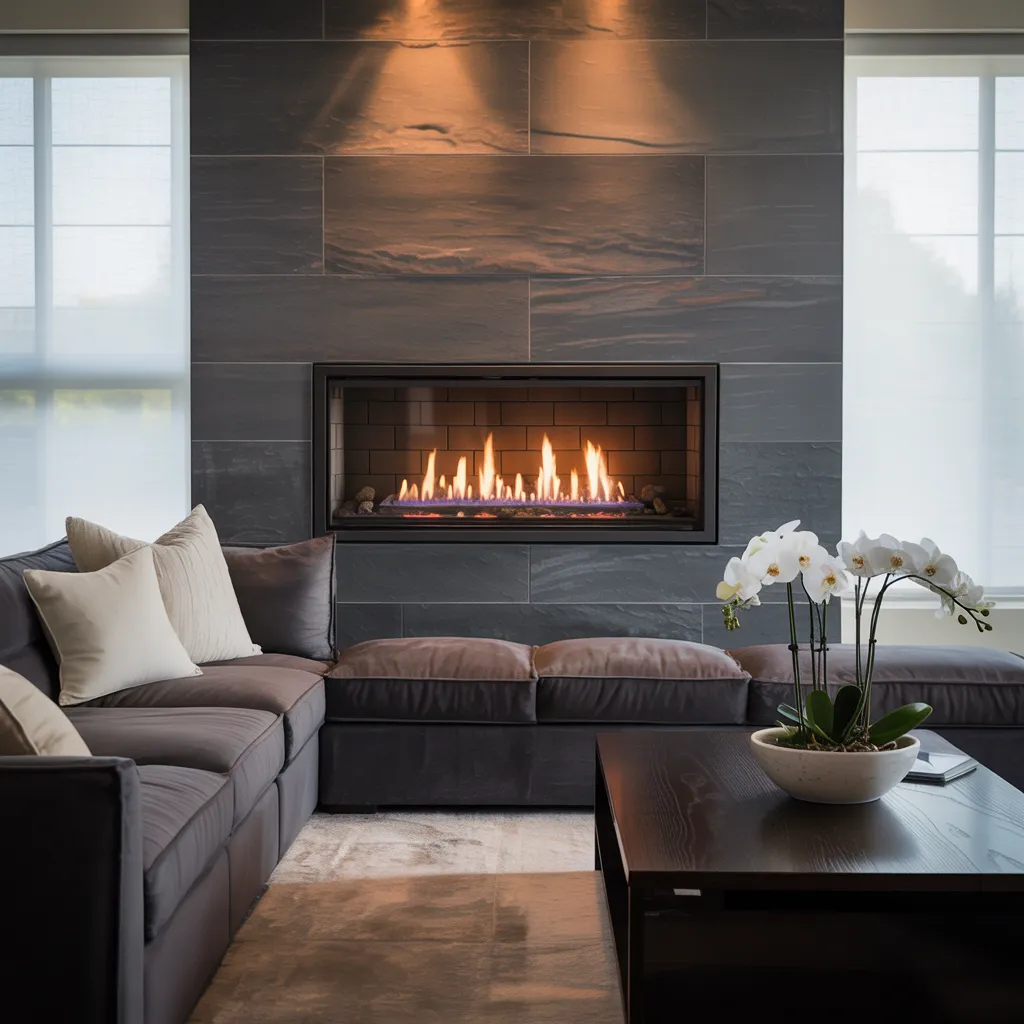
Reasons You'll Love Owning a Gas Fireplace
A gas burning fireplace converts a living space into a warm sanctuary, providing warmth and ambiance with the simple flick of a switch. In contrast to traditional wood-burning options, gas fireplaces deliver the advantage of on-demand heat, removing the hassle of gathering wood or cleaning up ashes. Their technology supports steady climate regulation, making them a perfect option for all-season comfort.
Moreover, gas fireplaces can be found in a variety of styles and designs, seamlessly blending with diverse interior design themes. They require minimal maintenance than their wood-burning counterparts, as they generate fewer emissions and remove the necessity of routine chimney maintenance. This green characteristic attracts sustainability-focused homeowners.
Furthermore, the safety features of contemporary gas fireplaces, including automatic shut-off valves and glass enclosures, provide peace of mind. In the end, a contemporary gas fireplace not only elevates the aesthetic of a home but also ensures a comfortable and welcoming ambiance for loved ones and guests alike.
Choosing the Best Gas Fireplace for Your Home
Selecting the right gas fireplace requires evaluating various factors to ensure it meets both visual and practical needs. Homeowners should first consider the size of the space, as the size and heating capacity of the fireplace must align with the space's needs. Style preferences, such as classic versus contemporary designs, play a vital role in guaranteeing the fireplace matches the existing aesthetic.
Fuel type represents another critical aspect to evaluate; natural gas and propane present varying installation and performance features. Furthermore, venting configurations—direct vent, vent-free, or B-vent—influence airflow and overall safety.
Efficiency ratings are an important consideration; more efficient models can result in lower energy bills. Finally, assessing the manufacturer's standing and warranty coverage can offer reassurance about the fireplace's durability and support. By carefully weighing these factors, homeowners can select a gas fireplace that improves both the coziness and atmosphere of their home.
Key Installation Factors for Gas Fireplaces
When installing a gas fireplace, thoughtful attention to placement is essential for optimal performance and safety. Additionally, grasping the venting requirements is essential to ensure adequate airflow and regulatory compliance. These elements have a major impact on the complete performance and functionality of the heating unit.
Location Choice Criteria
Choosing the correct placement for a gas fireplace is vital for maximizing its safety and efficiency. Considerations such as room layout, size, and existing structures greatly affect this decision. Optimally, the fireplace should be installed in a central location to offer even distribution of heat throughout the area. Access to gas lines is also essential, allowing for an seamless installation process. Moreover, consideration of clearance from combustible materials and compliance with local building codes is required for safe operation. Natural light sources and existing vents should be evaluated to improve both aesthetics and functionality. All things considered, a carefully planned location elevates the performance of the fireplace while complementing the overall design and comfort of the room.
Venting Requirements Overview
Proper venting is a fundamental aspect of gas fireplace installation that significantly affects efficiency and safety. There are two key venting configurations: direct vent and vent-free. Direct vent fireplaces require a double-walled pipe that removes combustion gases externally while introducing fresh air, guaranteeing efficient combustion. This system is frequently chosen for its safety benefits and efficiency. Vent-free models, by contrast, do not require external venting and can be considerably flexible in terms of installation, but they may create indoor air quality challenges due to the discharge of combustion byproducts. It is important for homeowners to review local building codes and regulations concerning venting standards, as these can change substantially and may determine the most appropriate and safe installation approaches.
Setting Up Your Space for Installation
Setting up the location for installing a gas fireplace is a significant step that guarantees safety and peak performance. First, the space should be cleared of any flammable materials, furniture, or decorations, allowing ample room for the installation procedure. This ensures safety while also offering easy access for the installation team. Next, assessing the existing framework is essential; floors, walls, and ceilings should be examined for any necessary reinforcements or adjustments to support the weight and heat output of the fireplace.
In addition, ensuring appropriate ventilation is important. Homeowners should locate potential areas for venting and examine any blockages in the planned pathways. To conclude, consulting local building rules and guidelines can reduce the chance of future complications. By adequately setting up the space, households can build a conducive environment for a successful gas fireplace fitting, improving both performance and safety.
What Are the Steps to Install Your New Gas Fireplace?
Setting up a new gas fireplace entails various important procedures to guarantee proper performance and protection. Initially, the installer must identify an ideal location, confirming adequate clearance from combustible materials. Following this, the gas line should be installed, usually demanding the use of a qualified professional to comply with local codes. The fireplace unit is then placed in the assigned area, ensuring it is balanced and firmly set.
Ventilation plays a vital role; the venting system must be connected by the installer following the manufacturer's guidelines to maintain correct exhaust performance. Following this step, the front panel and decorative elements of the fireplace are secured in place. When the fireplace unit is fully installed, it is essential to check all connections for gas leaks by applying a soap solution. To related resource conclude the installation, the fireplace ought to be meticulously reviewed to ensure it functions as intended before first use. A correct installation improves not only the fireplace's performance but also the general safety of the household.
Important Safety Guidelines During Installation
Although gas fireplaces offer comfort and ambiance, safety precautions during installation are vital to avoid potential dangers. Proper ventilation is important; installers should guarantee that vent and flue configurations are accurately installed to avoid carbon monoxide buildup. Before any work commences, checking local building codes and obtaining necessary permits can reduce the likelihood of regulatory problems.
Gas lines need to be examined for leaks by applying a soap solution, and fittings should be tightened with care. The use of proper materials is also required, such as heat-resistant enclosures, to reduce the risk of fire. An electric shut-off valve must be fitted for emergencies, enabling rapid gas shutoff.
Lastly, it is advisable to have a qualified technician perform the installation, making certain that all safety standards are met. Following these precautions not only improves overall safety but also supports optimal performance of the residential gas fireplace, providing peace of mind for homeowners.
Tips for Keeping Your Gas Fireplace in Top Condition
Upkeeping a gas fireplace requires routine maintenance to provide top efficiency and safety. One critical step is to plan yearly evaluations by a qualified technician. This confirms that all parts, including the ignition system and gas lines, function properly. Regular cleaning is also crucial; buildup can block airflow and reduce efficiency. Homeowners should clean the glass doors, logs, and burners to avoid soot accumulation.
Examining the ventilation setup is also a critical responsibility. It needs to be kept unobstructed to ensure adequate airflow. Furthermore, property owners should examine connections for gas leaks by using soapy water on the fittings; the presence of bubbles signals a leak. During use, monitoring the flame color can reveal important details about efficiency; an even blue flame signals optimal burning.
In conclusion, ensuring a sufficient supply of propane or natural gas will ensure the fireplace runs efficiently. By following these practices, homeowners can enjoy a safe and efficient gas fireplace for the long term.
Commonly Asked Questions
Can I Install a Gas Fireplace in an Existing Wood-Burning Fireplace?
Indeed, a gas burning fireplace can be fitted in an existing traditional wood fireplace. However, it calls for thorough assessments of the structural integrity, air circulation, and safety measures to guarantee adherence to local building codes and optimal performance.
What Is the Standard Cost of Gas Fireplace Installation?
The standard cost for gas fireplace installation typically ranges from $2,500 to $5,000, based on factors including geographic location, the specific unit type, and essential modifications to existing structures or ventilation systems.
How Frequently Should I Have My Gas Fireplace Serviced?
A gas fireplace ought to be serviced every year to guarantee safe and efficient operation. Routine maintenance inspections assist in detecting potential problems, enhance performance, and extend the lifespan of the unit, ensuring a warm, cozy environment.
Are Gas Fireplaces Eco-Friendly?
Gas fireplaces are commonly seen as more environmentally friendly than conventional wood-burning alternatives, as they produce fewer emissions and pollutants. Nevertheless, their total environmental impact is determined by the energy source used for gas and local regulations.
Can a Gas Fireplace Be Used During a Power Outage?
Indeed, a gas fireplace can be used during a power outage, as long as it has a standing pilot light. That said, electronic ignition models may not function without electricity, so verifying the particular fireplace model is essential.